Before There Was a Method, There Was a Classroom
Everyone has a story.
Stories are how we make sense of where we’ve been. They’re how we understand one another.
And, sometimes, they explain why we care so deeply about the things we do.
So it’s probably time I told you mine.
Long before Artful Teaching. Joyful Learning.® Long before The Inspir{Ed} Method.™ Long before I was talking about childhood in the age of AI…
I was an inner-city public school teacher.
And the children in my classroom changed everything I believed about education.
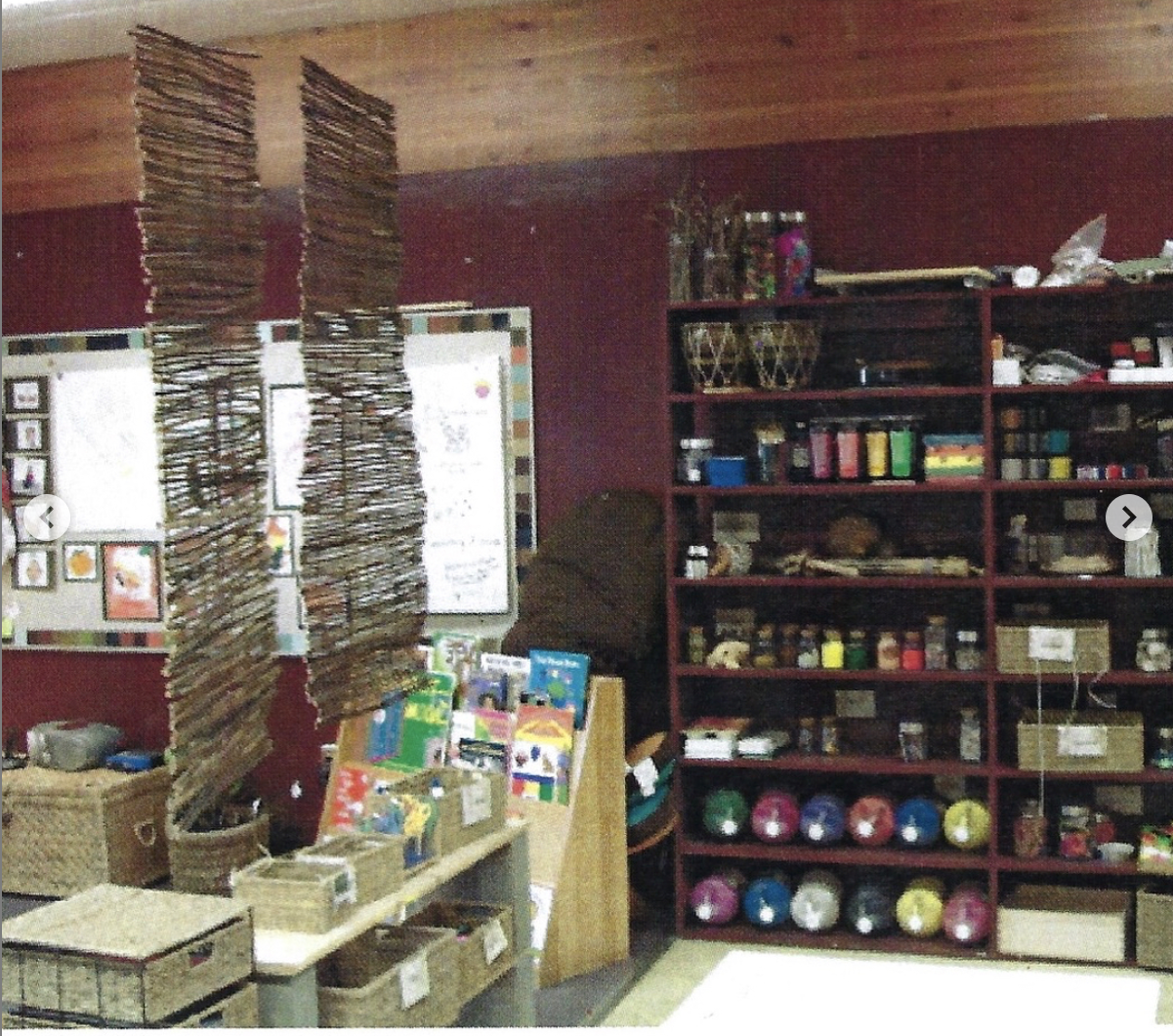
One of my early inner-city classrooms. Long before there was a method, these were the spaces where the ideas first began taking shape.
They were also the beginning of my belief in play-based learning, arts-rich education and a very different way of seeing children.
The children who taught me how to teach
My students were young.
They came from wonderfully diverse backgrounds, and many had already experienced significant challenges in their short lives.
Many of the Indigenous families I worked alongside were living with the intergenerational impact of Canada’s residential school system, a system designed to separate Indigenous children from their families, languages, cultures and communities and assimilate them into Eurocentric society.
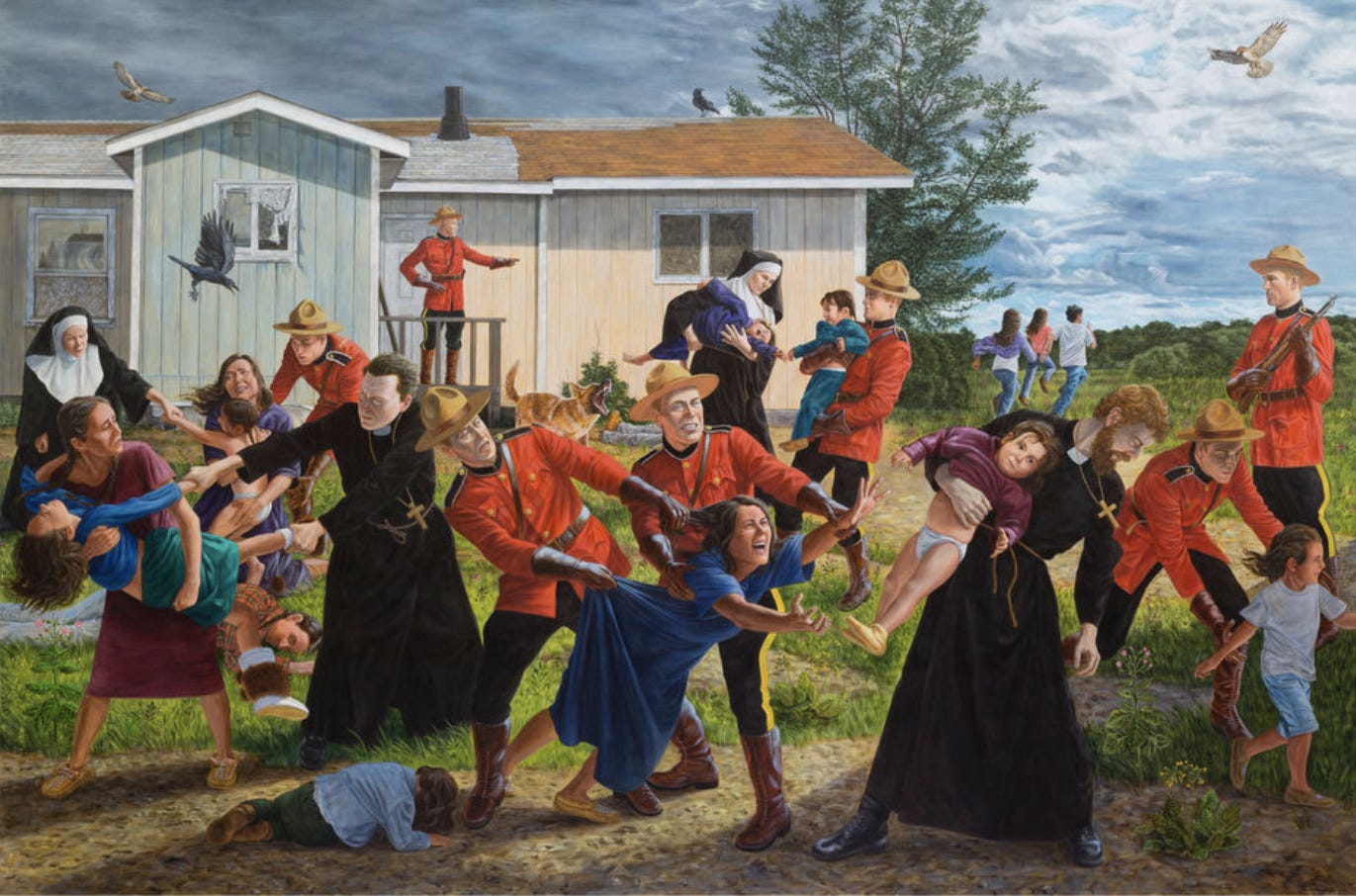 Artwork courtesy of Kent Monkman, "The Scream"
For many families, school had not historically been a place of safety, belonging or joy.
And now their children were walking through my classroom door.
Some arrived without many of the skills schools traditionally expect children to already have.
Some didn’t know how to hold a book.
Some had rarely used a pencil.
Some couldn’t yet spell their names. Or even pronounce them understandably.
On paper, they might have been described as “behind.”
“At risk.”
“Disadvantaged.”
But those words never seemed to tell the whole story.
Because I could also see something else.
I saw funny, curious, observant, imaginative little humans.
Children with stories.
Children with ideas.
Children who deserved to experience themselves as capable.
And I knew instinctively that handing them a stack of worksheets and asking them to sit quietly at a desk was not going to be the answer.
They needed more.
Actually, I began to wonder whether all children needed more.
So we tried something different
We started making things.
We painted.
We built.
We danced.
We told stories.
We investigated questions.
We spent long stretches of time playing.
We explored ideas through music, movement, clay, drawing, construction and conversation.
I became fascinated by the principles of Reggio Emilia and the idea that children possess not one language for learning, but a hundred.
I began thinking differently about the classroom itself.
About materials.
About beauty.
About relationships.
About what happens when an adult stops being the person at the front of the room delivering answers and starts becoming someone who learns alongside children.
And, importantly, we learned alongside Elders and community members who brought knowledge, culture and ways of knowing into our classroom that no textbook could replicate.
Something began to happen.
The children changed.
Or perhaps more accurately:
The conditions changed enough for us to finally see who the children had been all along.
Children who had previously been disconnected from school began showing up.
They wanted to be there.
They were curious.
They had ideas.
They asked questions.
They made connections.
They became deeply invested in the things we were exploring together.
Learning stopped being something that was being done to them.
It became something that belonged to them.
And I watched it bloom.
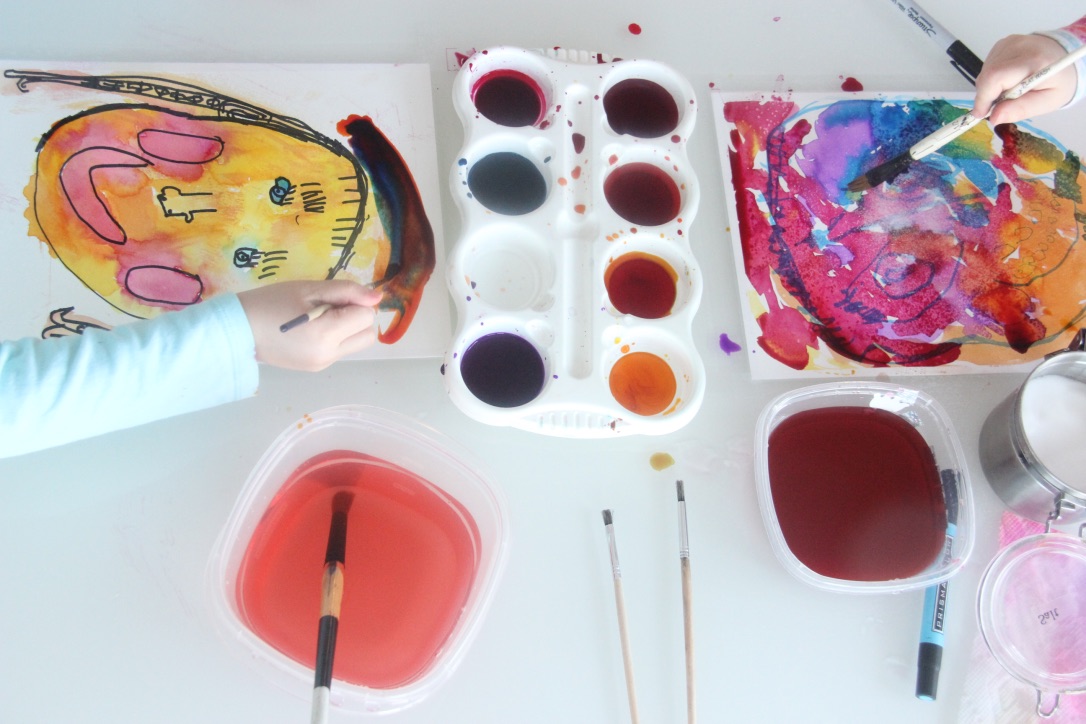
Learning stopped being something that was being done to them. It became something that belonged to them.
But what about the academics?
That all sounds lovely, but when did you teach them to read?
Or write?
Or do math?
Here’s the fascinating part.
We did.
A lot.
But those skills weren’t separated from the rest of childhood.
We read because we wanted to understand something.
We wrote because we had something worth communicating.
We counted, measured, estimated and calculated because our projects demanded it.
Academic skills became tools for doing meaningful things rather than isolated exercises children completed because an adult told them to.
That distinction would eventually become central to everything I believe about education.
Children absolutely need knowledge.
They need excellent literacy instruction.
They need numeracy.
They need teachers who understand how children learn.
But rigor and wonder were never meant to be opposites.
Neither were structure and freedom.
Neither were academics and play.
The magic was in holding both.
Then I became a mother
Years passed.
I continued studying teaching and learning, eventually earning my Master’s degree in Education.
I studied Arts Education.
Learning theory.
Curriculum.
Child development.
I refined my practice.
Questioned it.
Changed it.
And then came perhaps my greatest laboratory of all:
My own three children.
Parenthood gave me the opportunity to see learning outside the confines of the traditional classroom.
And again, I noticed the same thing.
Children are extraordinarily capable learners when they have rich things to think about and enough space to follow an idea.
We read beautiful books.
We made art.
We spent time outside.
We experimented.
We cooked.
We built things.
We asked endless questions.
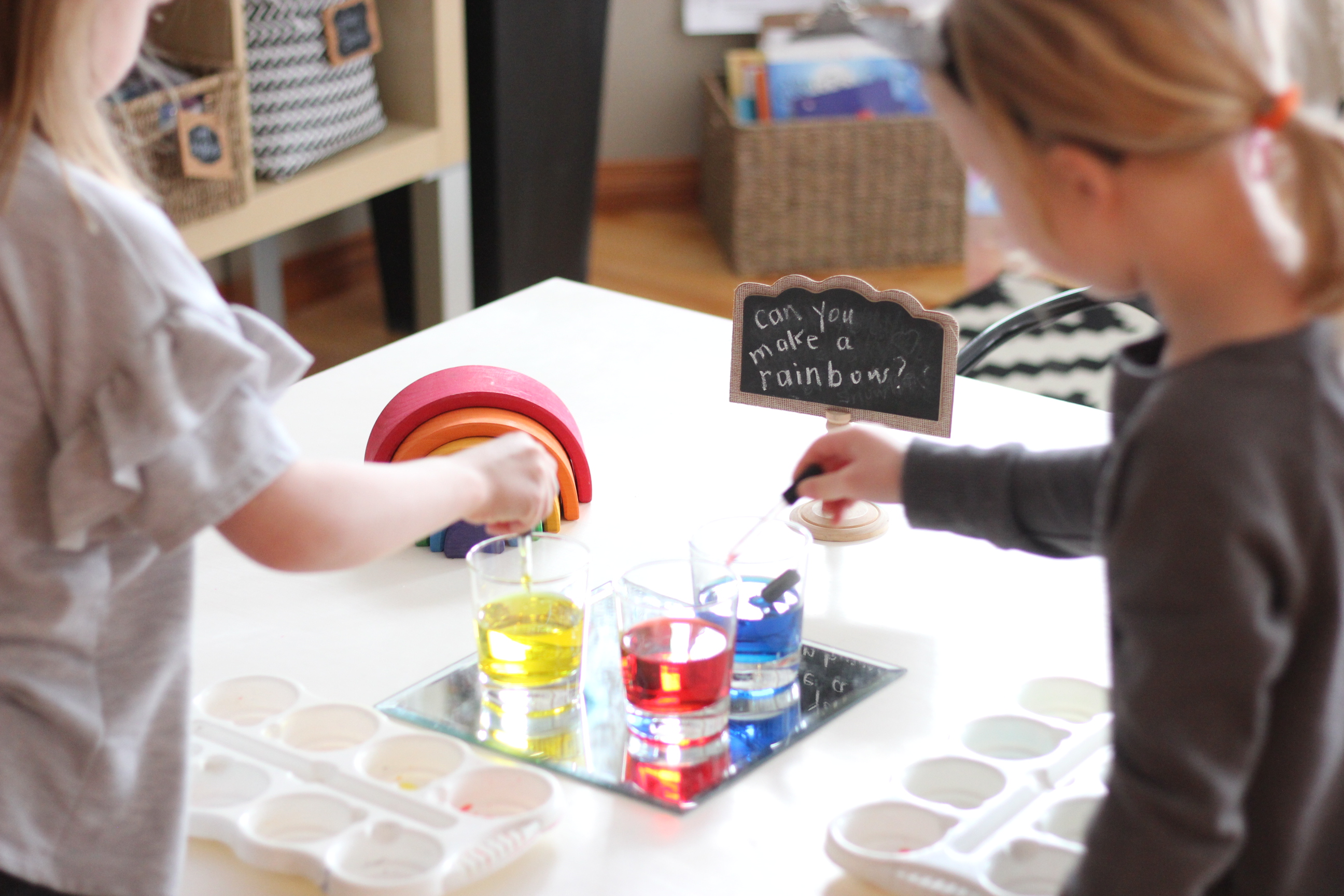
Years later, I found myself exploring many of the same ideas at home: curiosity first, rich materials, thoughtful structure and room to discover.
And yes, my children learned to read fluently.
They became competent writers.
They became mathematicians.
Not because I recreated school at the kitchen table.
But because literacy and numeracy were woven naturally into a life filled with ideas.
Eventually, I created a homeschool enrichment program built around the things I had come to believe most deeply about childhood:
Play.
Wonder.
The Arts.
Nature.
Beautiful books.
Conversation.
Meaningful work.
And underneath all of it was something else.
Structure.
Because here is something I think progressive education sometimes gets wrong:
Freedom without thoughtful structure can quickly become chaos.
And structure without freedom can extinguish curiosity.
Children need both.
A strong framework and room to wander.
Intentional teaching and open-ended exploration.
Knowledge and imagination.
Rigor and wonder.
That balance became the foundation for what I now call The Inspir{Ed} Method.™
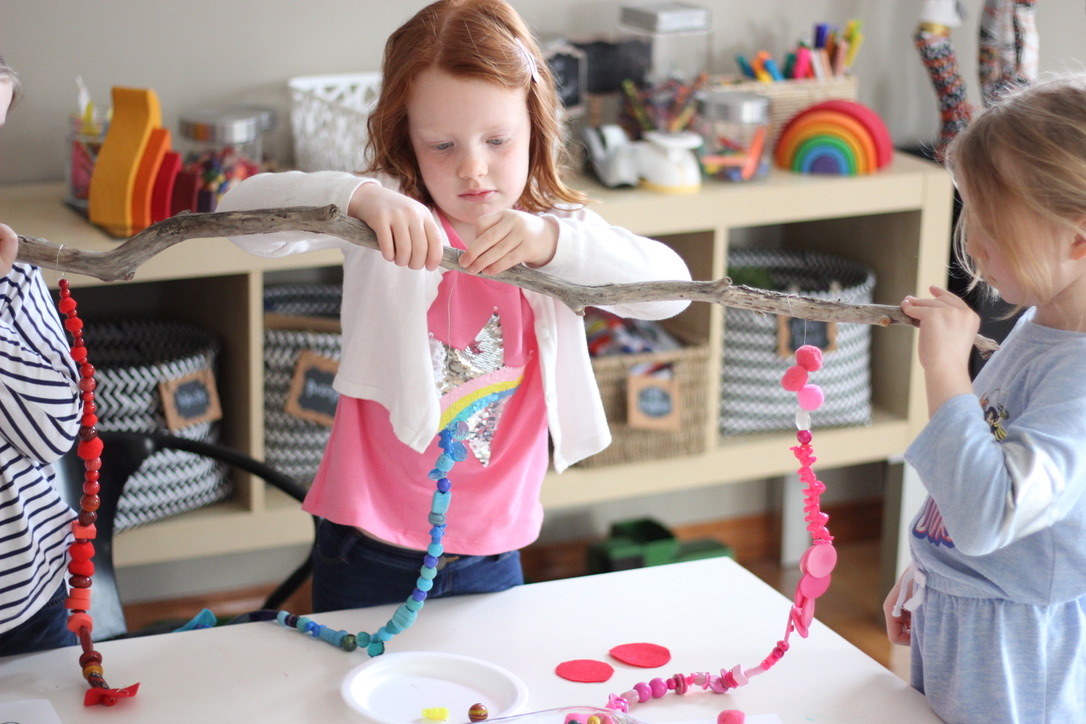
Before there was a method, there was a belief
The Inspir{Ed} Method™ wasn’t something I invented one afternoon while brainstorming a business idea.
It has been forming for decades.
In inner-city classrooms.
Beside children painting at easels.
During conversations with Elders.
In stacks of children’s books.
At kitchen tables.
In homeschool classes.
In graduate-school research.
In muddy boots and unfinished projects and scraps of paper covered in children’s thinking.
It came from one central realization:
Children do not need us to make childhood more academic.
They need us to make learning more meaningful.
And the more our world changes, the more convinced I become of this.
We are entering an era in which information is abundant.
AI can answer questions in seconds.
Knowledge that once required a trip to the library now lives in our pockets.
Which means the most important things we give children may no longer be the things a machine can deliver.
They need imagination.
Discernment.
Curiosity.
Creativity.
Relationships.
Culture.
Beauty.
Movement.
Play.
Time to think.
Time to make.
Time to wonder.
And adults who understand that a beautiful childhood and a serious education can be exactly the same thing.
That is the work I want to spend the next chapter of my life doing.
Helping parents, educators and organizations create learning experiences that hold both:
Structure + freedom.
Wonder + rigor.
Imagination + knowledge.
Play + purpose.
Because long before there was a framework, a curriculum or a method…
there was a classroom full of children who taught me something I have never forgotten:
When children feel that learning belongs to them and begins with them, everything changes.